 Nederlands
  English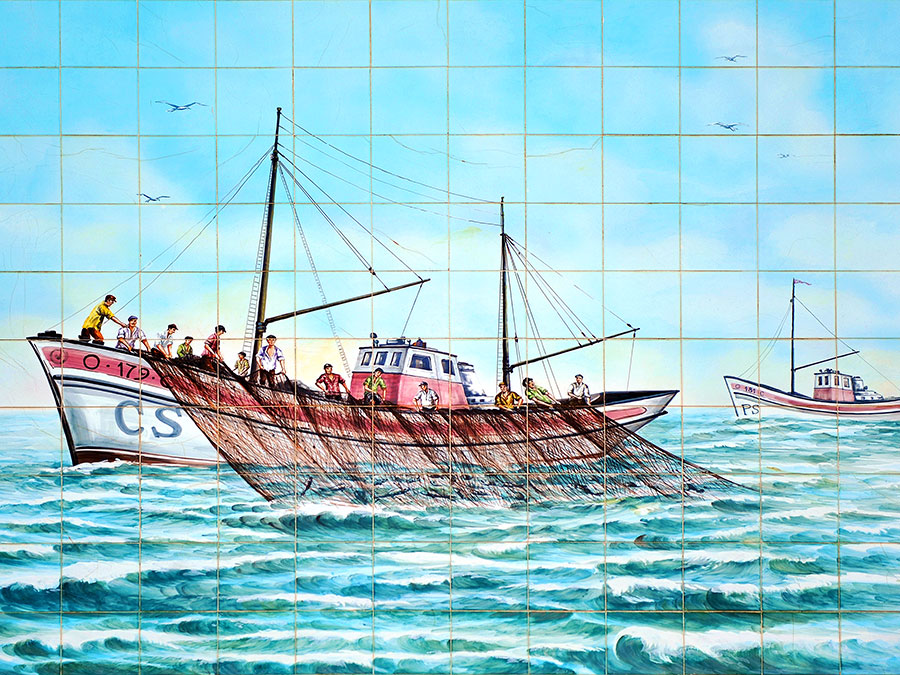
Along Portugal’s rugged Atlantic coast, where the salty air mixes with the scent of freshly caught fish, lies a hidden industry that has nourished, shaped, and connected generations. The Portuguese canning industry is no ordinary sector; it is a story of tradition, resilience, and rediscovery—captured in small, colorful tins.
I have written about Portuguese canned fish before, but today we are diving a little deeper into its background and history. After all, the Portuguese canning industry (best known for canned sardines) is much more than a culinary curiosity. It is an industry with deep historical roots, economic impact, and a remarkable resurgence in the 21st century.
From salt and sun to tin and oil
Long before the first factory chimneys appeared, the inhabitants of this coast already knew how to tame the sea. Fish was salted and dried, a technique dating back to the time of the Romans. In old settlements along the coast, traces of these early preservation methods can still be found—silent witnesses to a centuries-old relationship between man and ocean.
It was not until the 19th century that everything changed. With the rise of new preservation techniques from France, involving storing food airtight in tins, Portugal was presented with an opportunity that it seized with both hands. The combination of rich fishing grounds, a deep-rooted fishing tradition, and a strategic location made the country an ideal place for this new industry.

A coast full of activity
From the mid-19th century, the first canning factories appeared along the Portuguese coast. Places like Setúbal, Matosinhos, and Portimão transformed into bustling centers of activity. Fishermen brought their catch ashore, where it was processed almost immediately—often still by hand, a craft that lives on to this day.
Portugal soon grew into one of the leading exporters of canned fish, particularly sardines. This small, silver fish proved perfect: abundant, nutritious, and excellent for preservation in olive oil. By the mid-20th century, the country boasted hundreds of factories, and Portuguese tins found their way to tables all over the world.
The industry reached its peak during the two World Wars, when canned fish—and especially sardines—became an indispensable food source for both soldiers and civilians. The remarkable growth of the Portuguese canning industry was driven by the exceptional quality of the fish from the cold, nutrient-rich Atlantic waters and by the expertise of the local workers. The factories were major employers for entire coastal communities. In the 1940s, there were about 200 canning factories in the Algarve, and each factory employed 150 to 200 workers. In the 1950s, the industry reached its absolute peak, and more than 400 factories were operating throughout Portugal.
In 1983, Portugal still had 152 canning factories that together produced about 34,000 tonnes of fish per year, and the country was among the largest exporters of canned fish in the world. After the crisis of the 1990s, the number of canning factories shrank from 152 to just 20.


The rhythm of the factory
Anyone imagining a canning factory from that era hears the rhythmic sound of knives, the soft clatter of tins, and the murmur of workers (often women) cleaning the fish with great precision and placing it in cans. The work was intensive, but it also provided a livelihood to entire communities. These factories formed the heart of many coastal towns. They set the pace of daily life, from the early morning catch to the closing of the factory gates at sunset.

The calm after the storm
But like so many traditional industries, this sector also suffered greatly. In the second half of the 20th century, the world changed. Overfishing, international competition, and the rise of cheap mass production led to a steady decline. Factories closed their doors, communities lost their economic foundation, and canned goods lost their status. What was once a proud export product was increasingly seen as simple, everyday food.
An unexpected rebirth
Yet the story would not end here. Over the past decades, the Portuguese canning industry has reinvented itself, not by growing bigger, but by getting better. Where the emphasis used to be on volume, it is now on quality and authenticity. Small producers and historic brands are once again focusing on craftsmanship: fish processed by hand, carefully selected ingredients, and recipes passed down through generations.
The tins themselves now tell a story as well. Colorful packaging, often inspired by Portuguese art and culture, turns every tin into a small work of art. What was once purely functional is now a beloved souvenir and a symbol of Portuguese identity.

More than just food
Today, Portuguese preserves are much more than a practical product. They represent a way of life, a connection to the sea, and a respect for tradition. In the narrow streets of cities like Lisbon and Porto, you find specialized shops where rows of tins in all colors and flavors are stacked. Every variety—from sardines in olive oil to mackerel in spicy sauce—carries a piece of history with it.
The future in balance
The modern industry now faces new challenges. Sustainability plays an increasingly important role: protecting fish stocks and ensuring fair production processes are essential for the future. But it is precisely in this balance between tradition and innovation that the strength of the Portuguese canning industry lies. The ability to change without losing its soul makes this sector unique.
A small can, a big story
Modern Portuguese preserves now include a wide assortment: in addition to sardines, there is also tuna, mackerel, octopus, squid, cod, anchovies, and fish roe. Specialty shops such as Canned Goods Store display dozens of brands under one roof. And some modern factories have opened their doors to visitors, thus creating experiences for industrial tourism.
Whoever opens a can of Portuguese sardines is, in fact, opening a window to the past. To fishermen setting sail at sunrise, to factories bustling with activity, to generations that have passed on their knowledge and craftsmanship. It is a reminder of how something simple – fish, oil, and a can – can grow into a cultural icon.


And perhaps that is Portugal’s greatest strength: the ability to find something timeless in the everyday. What once began as a practical way to preserve fish has grown into a globally recognized culinary icon – a small tin, but with a big story.


